Research
Our research group focuses on developing advanced computational models to understand and predict the behavior of low-temperature plasmas and their interactions with materials. We combine fundamental plasma physics with practical applications in aerospace, manufacturing, and energy.
Research Areas
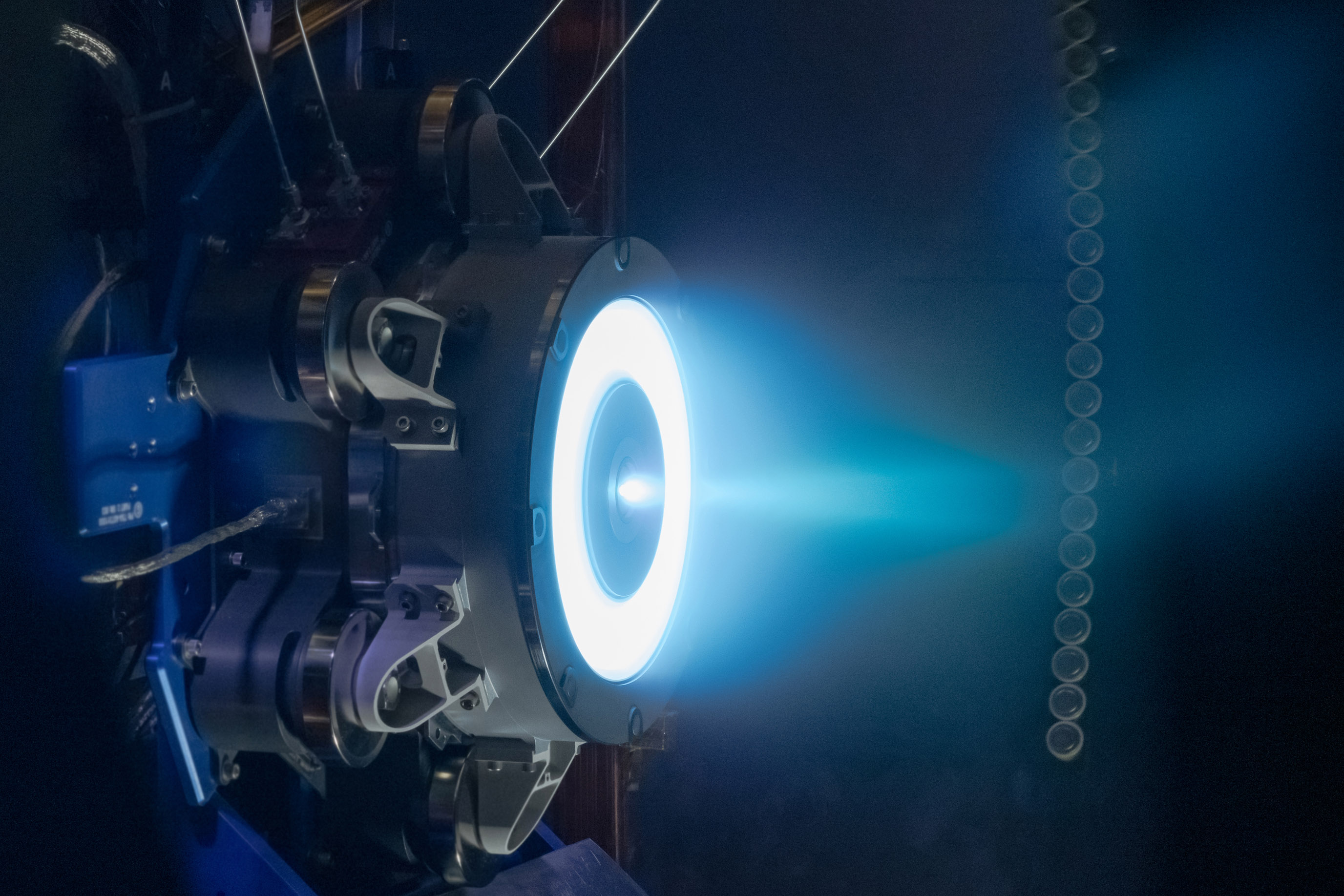
Electric Propulsion
Kinetic and fluid models of plasma thrusters and cathodes, with a focus on alternative propellants for efficient in-space propulsion.
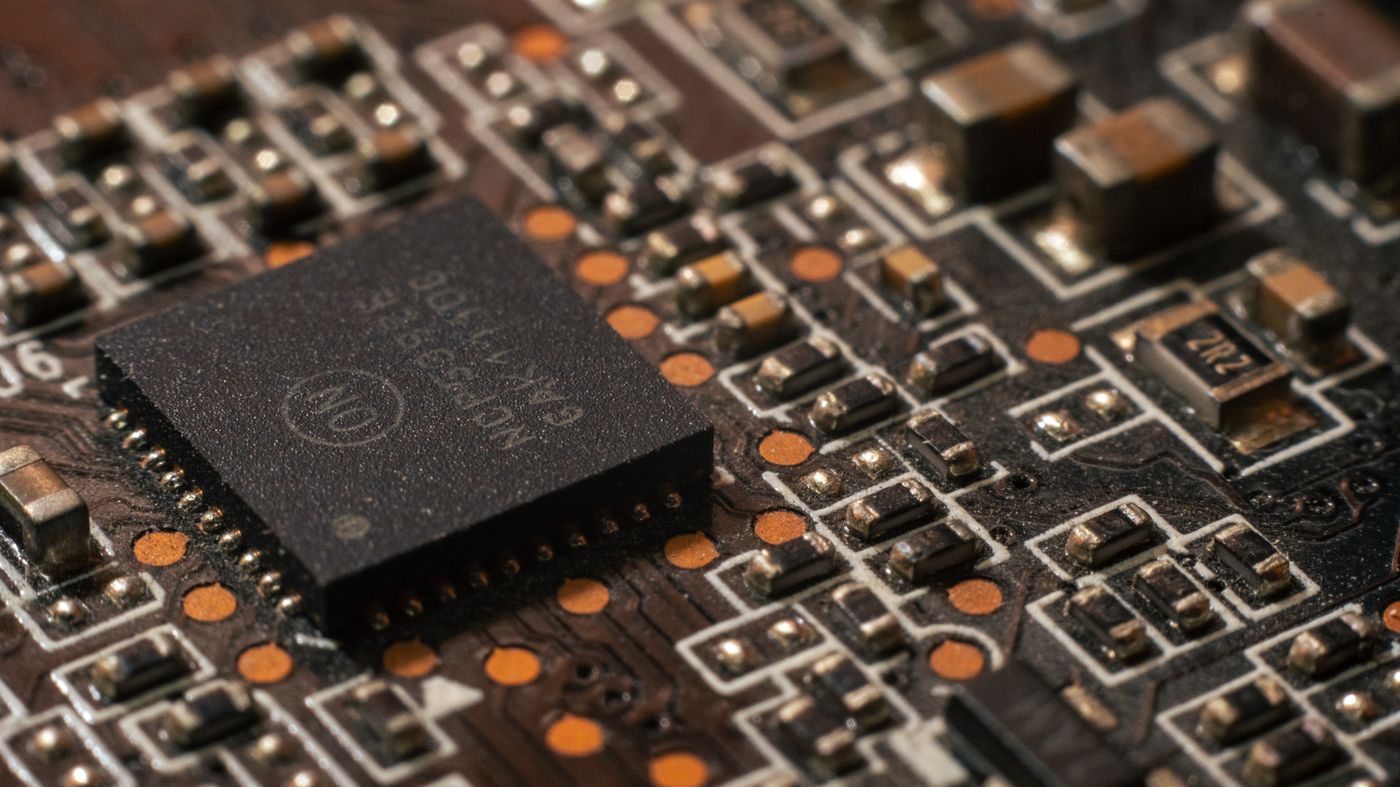
Semiconductor Fabrication
Plasma etching and deposition processes for next-generation semiconductor manufacturing.
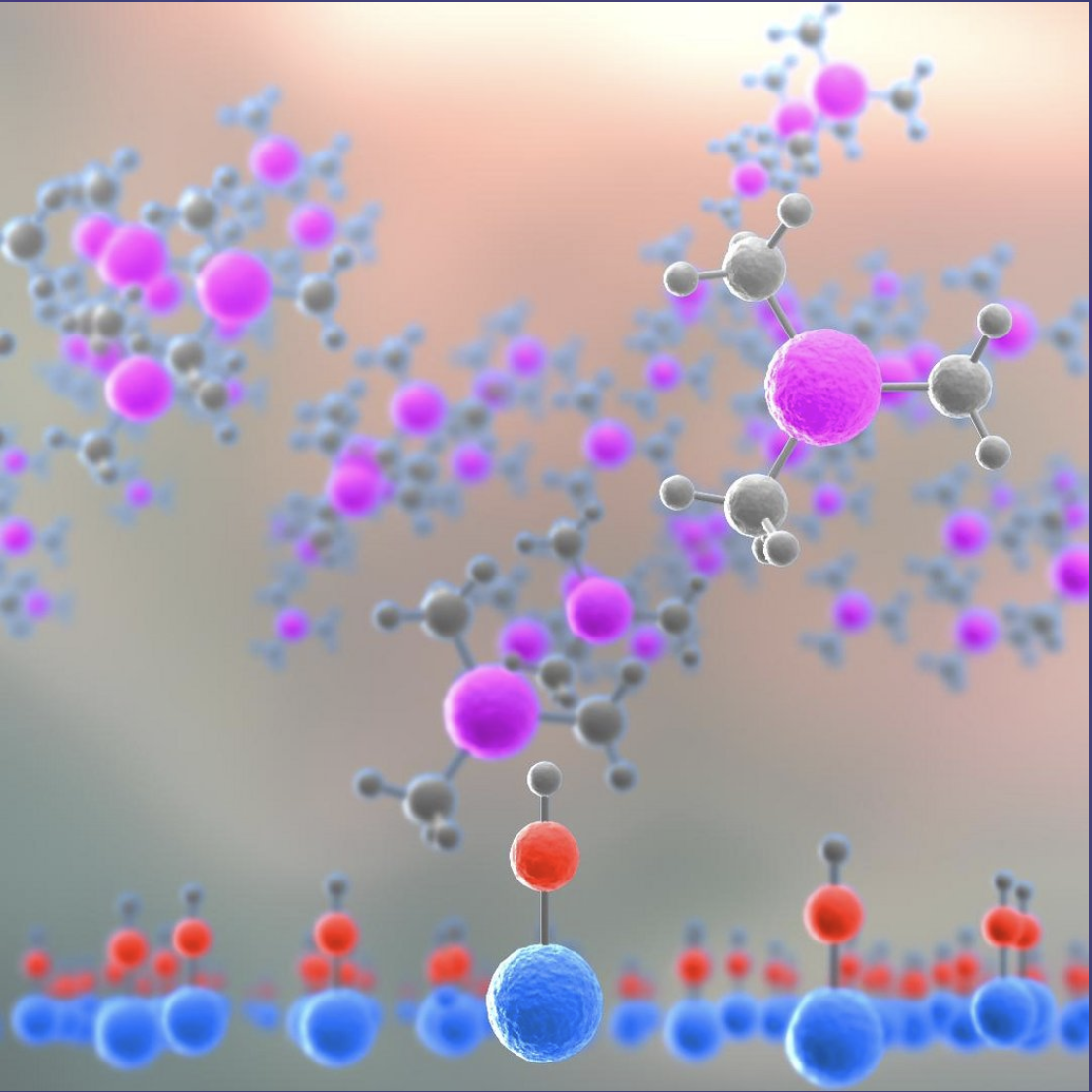
Plasma–Material Interactions
Fundamentals of how plasmas modify surfaces, and how surfaces feed back on the plasma.
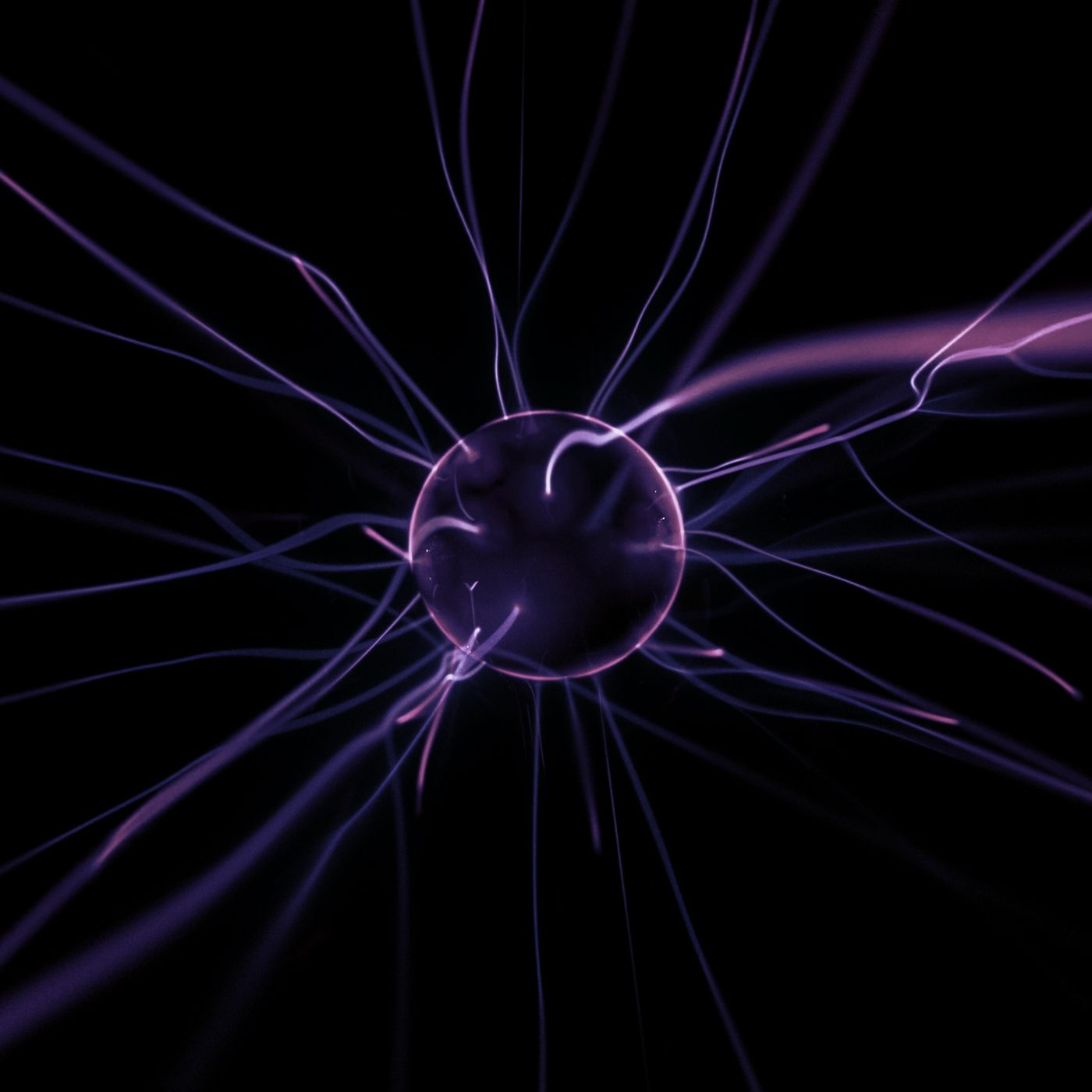
Low-Temperature Plasma Physics
Charged-particle kinetics, transport, and chemistry in non-equilibrium gas discharges.
Why This Matters
Low-temperature plasmas are enabling technologies for some of society’s most pressing challenges: propelling spacecraft more efficiently, manufacturing advanced semiconductors, and producing chemicals and fuels. However, these applications remain largely developed through trial and error. The reason? Plasmas are extraordinarily complex systems where electrons, ions, and neutral species coexist far from equilibrium, driving chemistry that wouldn’t occur otherwise. When plasmas contact material surfaces, the complexity multiplies: energetic particles modify surfaces, surfaces change plasma behavior, and this feedback occurs across vastly different time and length scales.
By bringing together advanced kinetic theory, surface simulations, and machine learning, we aim to provide understanding and predictive capability where experiments alone cannot go. For electric propulsion, this means studying thrusters and cathodes that are compatible with alternative propellants, with predictable erosion and performance. For plasma chemistry, it means identifying the plasma conditions that maximize desired product yields. For semiconductor manufacturing, it means controlling nanoscale features by understanding plasma-surface coupling.
Our Approach
We develop physics-based and data-driven models of plasmas that couple complex chemistry, electromagnetic effects, external circuits, gas flow dynamics, surface kinetics, radiative and heat transfer.
Kinetic Simulations of Low-Temperature Plasmas with Complex Chemistry
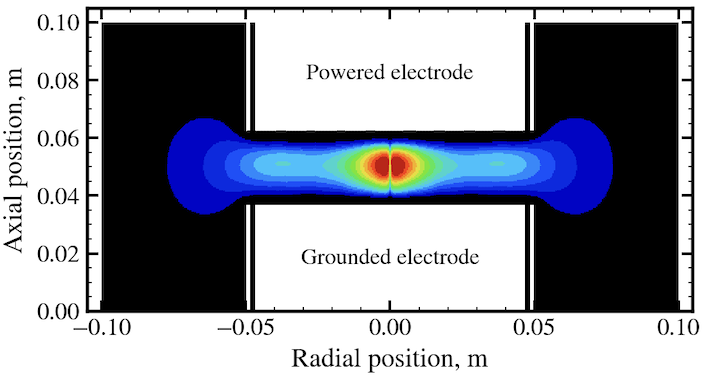
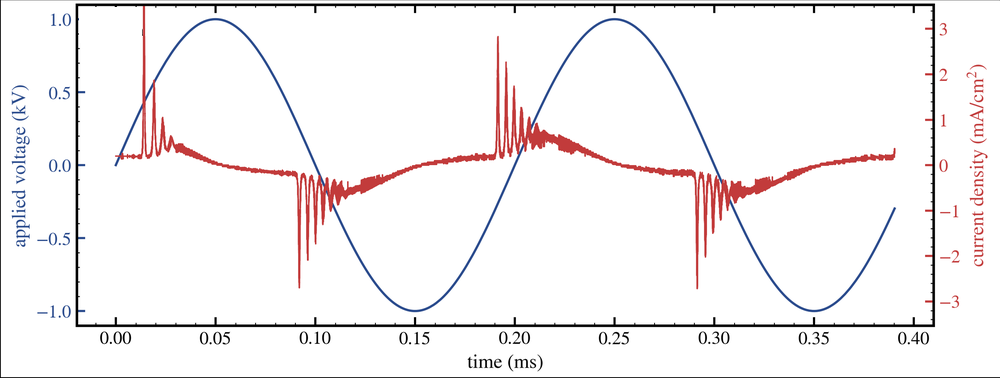
Our group develops in-house Particle-In-Cell / Monte Carlo Collision (PIC/MCC), Direct Simulation Monte Carlo (DSMC), and Itô-Kinetic Monte Carlo (Itô-KMC) models that couple plasma kinetics with electrostatic and electromagnetic effects, and complex external-circuit models. Our aim is to develop sets of chemical reaction mechanisms and cross sections for low-temperature plasmas that are validated with experiments across several pressures and operating conditions.
Atomistic and Coarse-Grained Surface Models
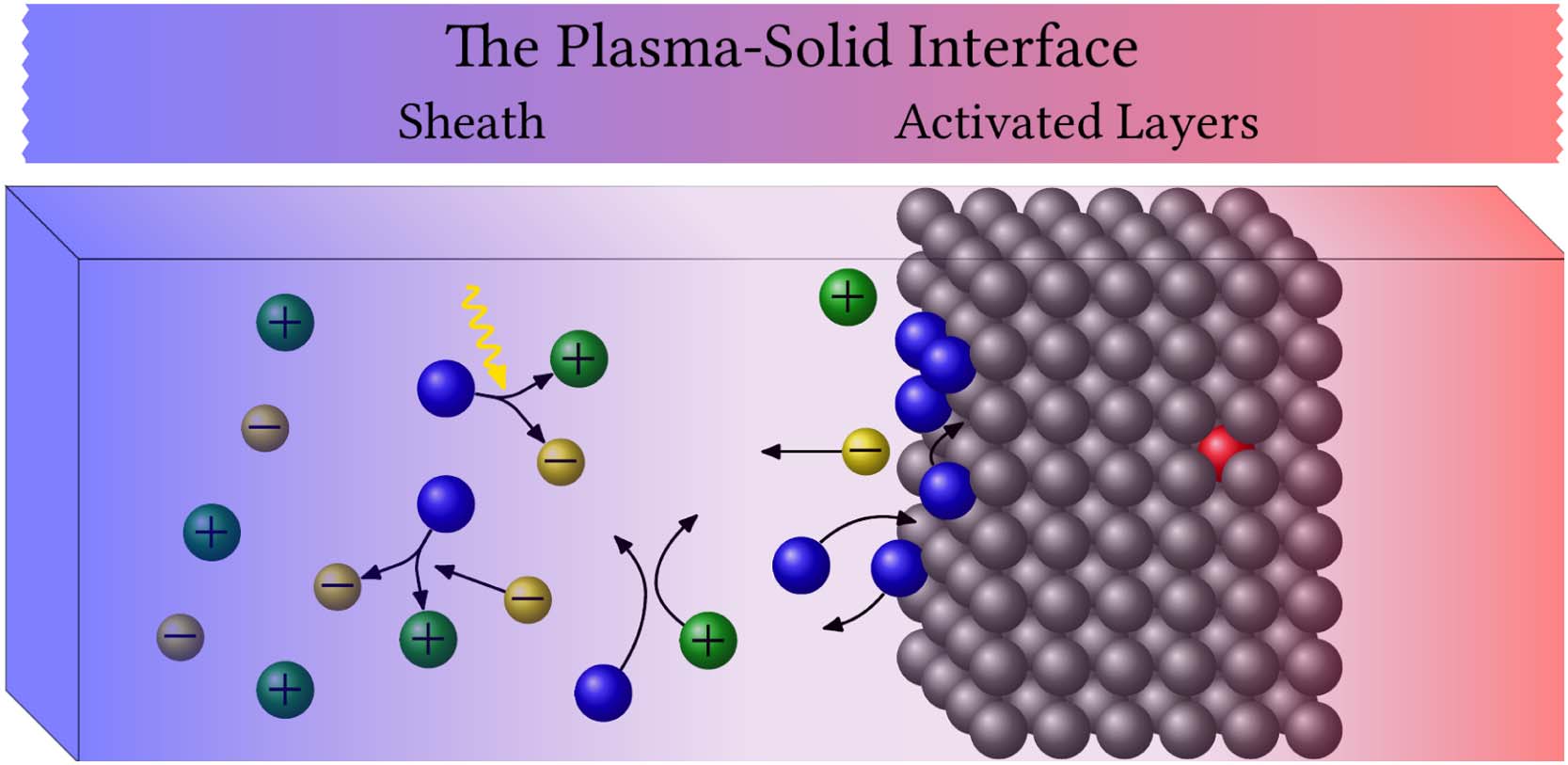
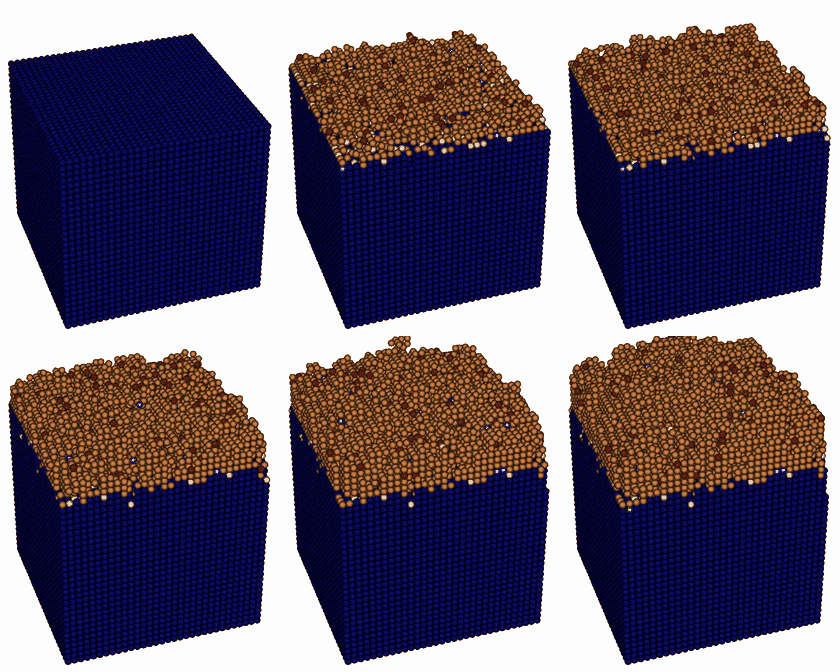
Our aim is to develop scale-bridging surface kinetics models from atomistic to mesoscopic scales to describe adsorption, recombination, and surface defects, and how they feed back on the plasma.
Data Assimilation
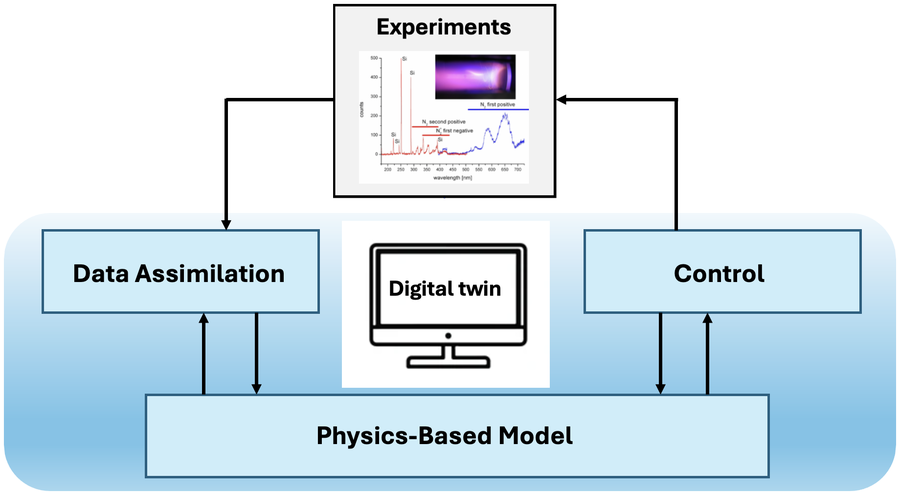
We fuse model results with experimental data to infer quantities that cannot be measured directly, such as internal plasma parameters, cross sections, and reaction rates from spectroscopic and swarm data.
Surrogate Modeling
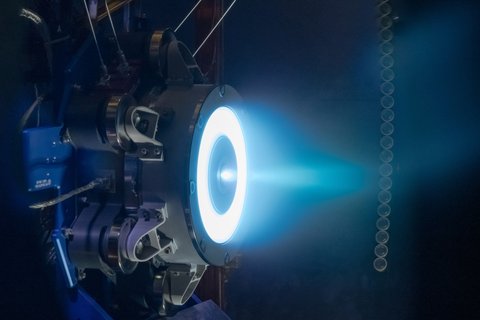
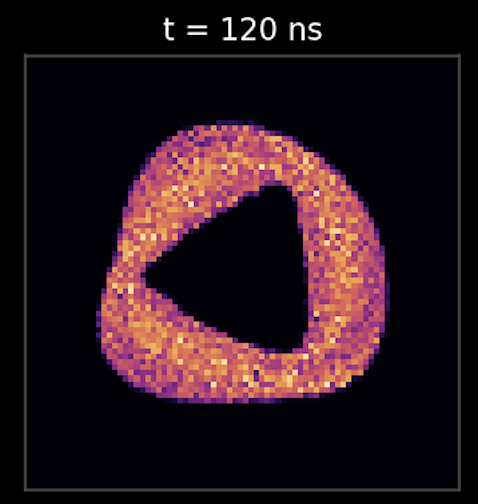
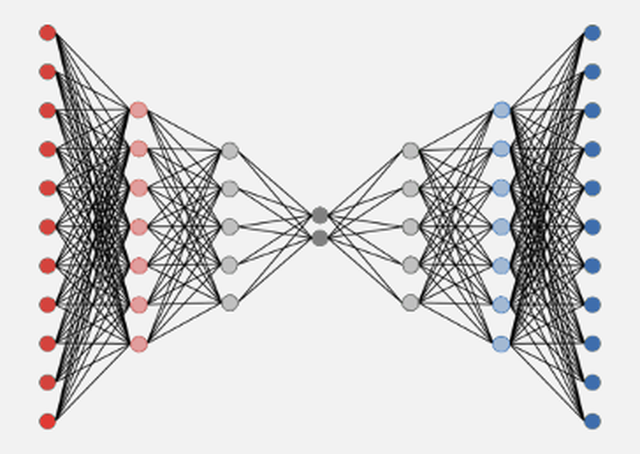
Our goal is to develop the next generation of surrogate models and reduced-order models for plasma–material interactions, which make it feasible to explore the vast parameter space of plasma chemistry and surface conditions at a fraction of the cost.
Boltzmann Equation for Charged Particles
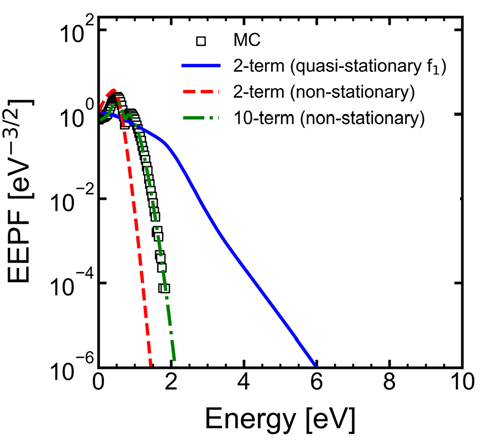
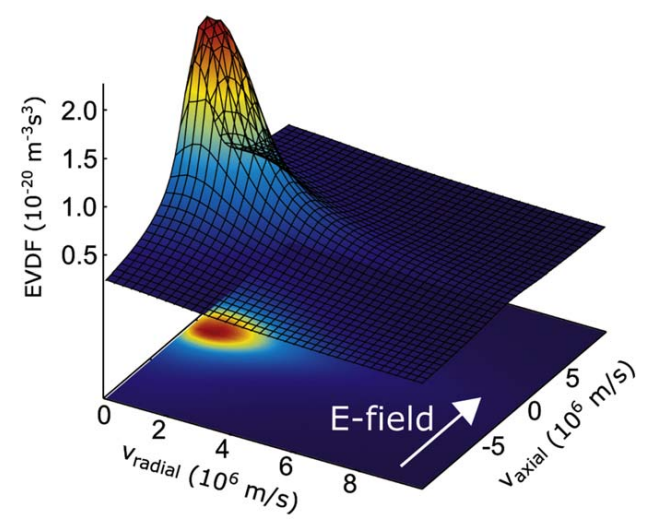
We develop fast and accurate models for numerical solutions of the electron and ion Boltzmann equation, beyond the conventional two-term approximation, which can capture the strong anisotropy of the velocity distribution function and non-local effects. These are important for the definition of new hybrid kinetic–fluid models of plasmas.